If you're living in an Indian home, it's likely that your kitchen sink gets a lot of use—from cleaning heavy..
September 15, 2026
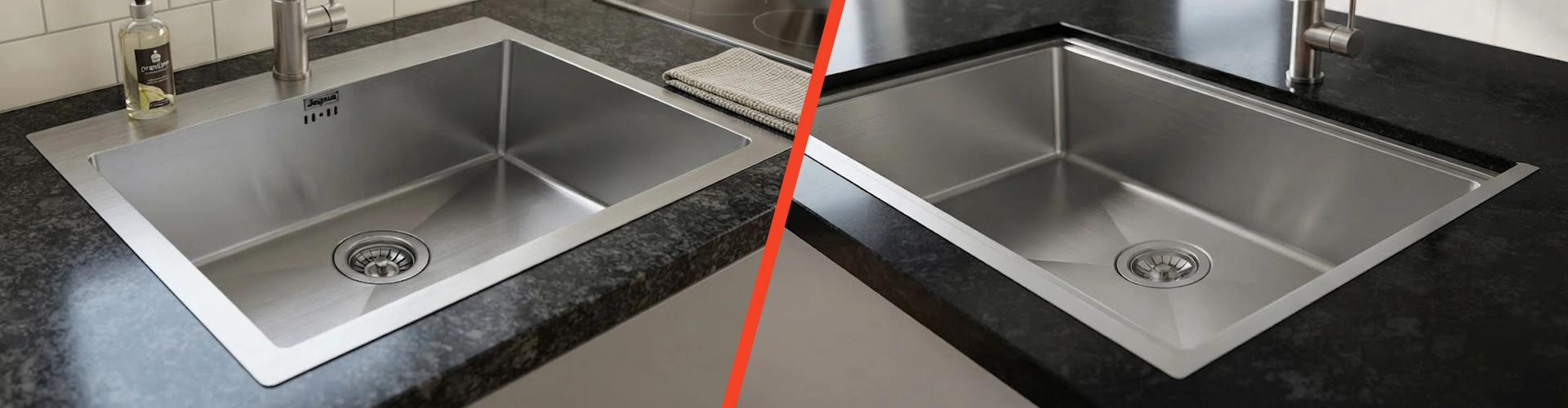
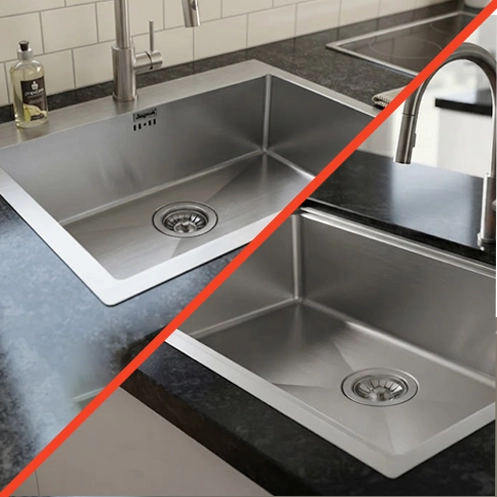
Choosing a stainless steel sink can be pretty easy at first. Then you have to look at the different grades. You will see 304 steel and 316 stainless steel and both are very strong and can withstand corrosion. So is 316 steel always the better choice?. Is 304 stainless steel the better option for your kitchen?
The answer depends on where you’re going to put the stainless steel sink and how you are going to use it.
Let us look at the difference between 304 stainless steel and 316 stainless steel sinks so you can pick the right one for your kitchen without getting confused by all the technical stuff, about stainless steel sinks.
Both numbers refer to the composition of the steel alloy specifically, how much chromium, nickel, and other elements are mixed into the metal. Stainless steel isn’t just one material; it’s a family, and each grade is engineered for a slightly different job.
304 and 316 are both part of the austenitic family, which is why they look nearly identical and both resist rust far better than ordinary steel. The real differences show up under the surface.
304 stainless steel is the industry standard for kitchen sinks, and there’s a good reason it’s everywhere. It typically contains around 18% chromium and 8% nickel, giving it strong corrosion resistance, a bright finish, and enough durability to handle daily scrubbing, hot pans, and acidic foods without a fuss.
For a standard residential kitchen — where the sink deals with water, dish soap, and the occasional lemon wedge — 304 does the job beautifully. It’s also more budget-friendly, which is why most quality sinks on the market use this grade.
316 steel adds one key ingredient: molybdenum, usually around 2-3%. This small addition makes a big difference in how the metal handles chlorides — the compounds found in salt, certain cleaning agents, and coastal air.
That’s why 316 is often called “marine grade.” It’s the same steel used in boat fittings and coastal architecture because it shrugs off the kind of corrosion that would eventually pit or discolor a lesser alloy. In a sink, that translates to superior resistance to rust spots, staining, and long-term wear — especially in tougher environments.
The honest answer: it depends on where your sink lives and what it deals with daily.
For the vast majority of households, 304 is more than sufficient. It’s the grade behind most premium sinks people use for decades without issue.
Think of 316 as insurance for harsher conditions. It costs more, but in the right environment, that extra cost buys real longevity.
If 304 is your reliable daily sedan, 316 is the off-road vehicle built for rougher terrain. Both will get you where you’re going — one is just engineered for tougher conditions.
Grade is important, but it’s not the only factor in a sink’s lifespan. Thickness (gauge), finish quality, and how well the sink is fabricated all play a role. A well-made 304 sink can easily outperform a poorly constructed 316 one. That’s why sourcing from a manufacturer that pays attention to craftsmanship — not just the alloy spec sheet — matters just as much as the grade itself.
At Jayna Sinks, we work with both 304 and 316 grade stainless steel, because we believe the right choice depends on your kitchen, your water, and your lifestyle — not a one-size-fits-all answer. Our team can walk you through which grade makes sense for your specific setup, so you invest in a sink that’s built to last, not just built to look good on day one.
Not sure which grade fits your home? Reach out to Jayna Sinks, and we’ll help you choose a sink that’s right for the way you actually live.

If you're living in an Indian home, it's likely that your kitchen sink gets a lot of use—from cleaning heavy..
September 15, 2026
A quartz kitchen sink is among the most common materials used in today's modern kitchen owing to its eleganc..
September 15, 2026
Have you ever arrived home late at night, stripped off your clothes in the dark, and stepped into the kitche..
September 15, 2026


