A quartz kitchen sink is among the most common materials used in today's modern kitchen owing to its eleganc..
September 16, 2026
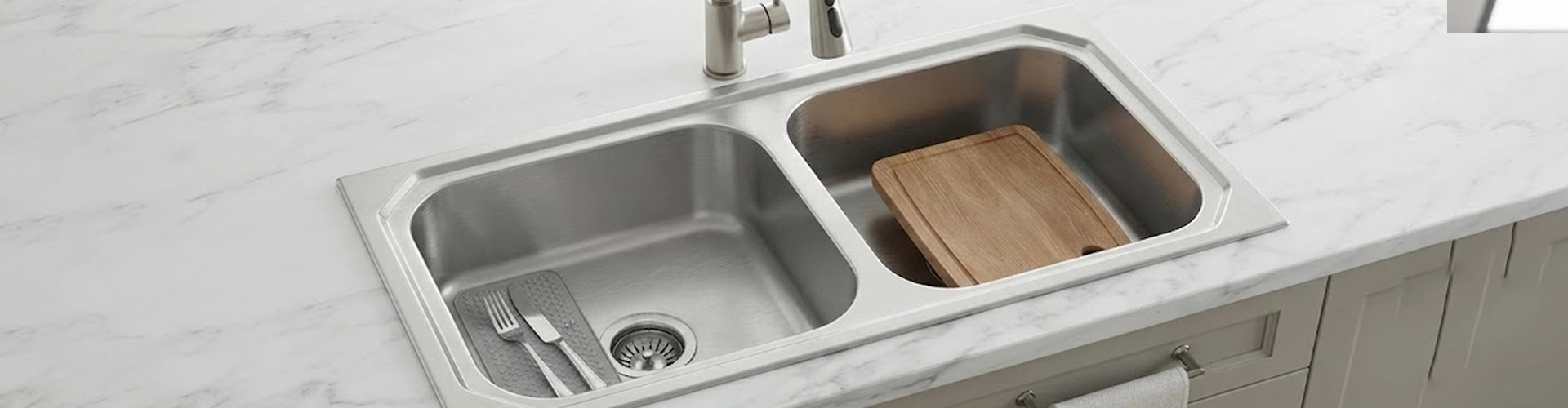
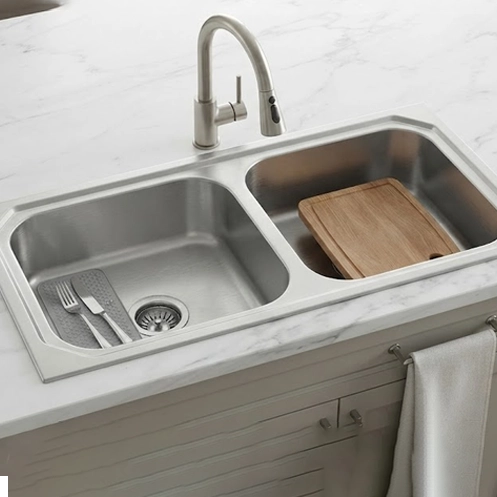
There’s a specific kind of disappointment that comes from wiping down your sink and still seeing cloudy streaks, faint scratches, or that dull, water-spotted look staring back at you. Stainless steel has a reputation for being low-maintenance, and it is — but “low-maintenance” doesn’t mean “no technique required.” Clean it the wrong way often enough and even a well-made sink starts to look tired.
Here’s how to actually get it right, without over-scrubbing or reaching for something that’ll scratch the finish.
Stainless steel resists rust and staining far better than most sink materials, but the surface still has a grain — fine lines from the manufacturing process, often invisible until light hits them at an angle. Clean against that grain with the wrong tool, and you’ll leave micro-scratches that dull the finish over time, even if no single wipe seems to cause visible damage.
Look closely at your sink under a light and you’ll usually spot faint, parallel lines running in one direction, typically front to back. That’s the grain. Wiping in that same direction, rather than in circles or against it, is the single easiest habit that keeps a sink looking new for years.
For everyday upkeep, warm water, a few drops of dish soap, and a soft cloth or non-abrasive sponge handle almost everything. Wipe in the direction of the grain, rinse thoroughly, then dry with a separate towel. That last step — drying — is the one most people skip, and it’s actually what prevents water spots from forming in the first place.
If spots have already set in, a mix of white vinegar and water in a spray bottle works well. Spray it on, let it sit for a minute or two, then wipe along the grain and rinse. Vinegar’s mild acidity breaks down mineral deposits without being harsh on the steel itself.
For grease buildup or general dullness that soap and water won’t touch, sprinkle baking soda directly onto the surface, then scrub gently with a soft-bristle brush or non-abrasive sponge, following the grain. Rinse well afterward — baking soda residue left behind can actually dull the finish if it dries on the surface.
Once the sink is clean and completely dry, a few drops of mineral oil or olive oil rubbed in with a soft cloth (again, along the grain) can restore some shine and add a light protective layer against water spots. This isn’t a required step, but it’s a nice finishing touch if you want that just-installed look back.
These are the fastest way to permanently scratch a stainless steel sink. Even though the steel itself resists rust, deep scratches can create tiny crevices where grime and bacteria settle in, making the sink harder to keep clean long-term.
Bleach and other chlorine-based cleaners can actually cause pitting and discoloration on stainless steel, especially with repeated use. If a stain seems stubborn enough that you’re reaching for something aggressive, baking soda paste is almost always the safer, equally effective alternative.
Water left sitting in the basin, especially if it’s hard water with a high mineral content, is one of the main causes of spotting and buildup. A quick dry-out after each use prevents most of the issues people associate with stainless steel losing its shine.
Even without deep-cleaning every day, a thirty-second wipe-down with soap and water at the end of each day, followed by a full towel-dry before bed, keeps most sinks looking close to new without ever needing an intensive cleaning session.
Cleaning a stainless steel sink isn’t complicated, but it does reward a little consistency: clean along the grain, dry it after use, and skip anything abrasive or bleach-based. Do that, and the deeper cleaning methods above become a once-in-a-while touch-up rather than a regular necessity.
It’s best avoided for regular use. Magic erasers are mildly abrasive and can dull the finish over time, especially on brushed or matte steel. Baking soda paste is a gentler option for stubborn spots.
Streaks usually mean the sink was wiped against the grain, or that it wasn’t fully dried afterward. Try re-wiping in the direction of the grain and finishing with a dry towel.
Once a week is usually enough for most households, with a quick daily wipe-down in between to prevent buildup from settling in.
At Jayna Sinks, our stainless steel sinks are built to hold their finish for years with basic, consistent care rather than constant upkeep. If you’ve got questions about the right cleaning routine for your specific sink finish, feel free to reach out — we’re happy to help you keep it looking the way it did on day one.

A quartz kitchen sink is among the most common materials used in today's modern kitchen owing to its eleganc..
September 16, 2026
Have you ever arrived home late at night, stripped off your clothes in the dark, and stepped into the kitche..
September 16, 2026
Modern bathrooms are not just functional areas anymore; they have become stylish, well-designed areas that r..
September 16, 2026


